Hiring a Fence Contractor: Questions to Ask and What to Expect
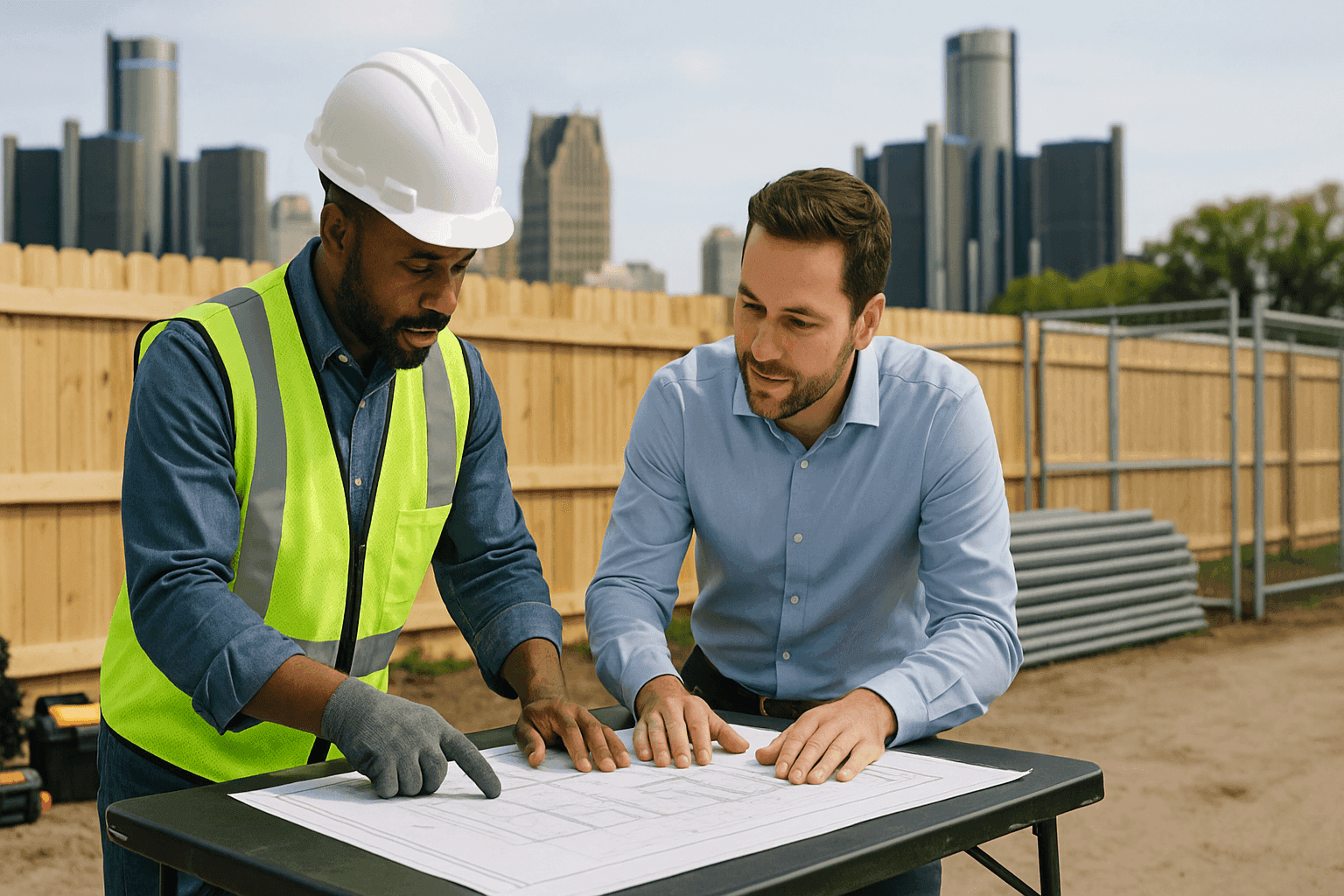
Every great fence starts with a conversation. Maybe you’re protecting kids or pets, or securing a business. Maybe you’re looking for privacy, curb appeal, or peace of mind. No matter your reason, the stakes feel high—because your fence is more than just a boundary. It’s part of your property’s story.
Choosing the right fence contractor isn’t just about price. It’s about trust, skill, communication, and a shared vision. Boland Fencing understands the pressure and the possibilities. Here’s how to get it right—so you can enjoy your fence, without the headaches.
Before You Begin: What’s at Stake?
A fence project is a big deal. Whether it’s aluminum fencing near you or a custom wood design, the wrong choice can lead to costly repairs, neighbor disputes, or safety risks. The right contractor smooths the process, keeps you informed, and stands behind their work.
But how do you separate the pros from the pretenders?
Quick Safety Checklist 🛡️
Before you sign anything, cover these basics:
- Valid licensing: Make sure your contractor has the right licenses for your area.
- Insurance: Ask for up-to-date liability and worker’s compensation coverage.
- Written contract: Insist on clear details—materials, timeline, payment schedule, warranty terms.
- Local codes: Confirm your contractor knows local zoning, utility, and fencing regulations.
- References: Request recent, local references for similar projects.
- Permitting: Check who handles city permits and inspections—some towns require it.
According to the American Fence Association and your local building authority, these steps protect both you and your investment.
DIY vs. Hiring a Pro
You might be tempted to pick up a hammer and go it alone. Some fencing jobs look simple. But digging post holes, setting concrete, and aligning fence lines is harder than it looks.
DIY can save money if you have the time, skills, and tools. But mistakes—like hitting buried cables, misreading property lines, or using the wrong fasteners—can cost more in the long run. For specialized jobs like electric fencing, aluminum fencing, or living fences, experience matters.
A professional brings:
- Material expertise: From picket replacement to vinyl fencing, the right material for your needs.
- Efficiency: Less mess, less downtime for your family or business.
- Warranty coverage: Many pros offer labor and material warranties (always get this in writing).
- Code compliance: No surprises from the inspector.
Licensing and Insurance Requirements
Start with the basics. Ask for:
- License number: Check with your city or state’s contractor licensing board.
- Certificate of insurance: Get proof of liability and worker’s compensation insurance.
- Bonding: Some areas require contractors to be bonded—an extra layer of security.
Tip: Never accept a verbal promise. Always see the paperwork. If a contractor hesitates or gives excuses, walk away.
Experience and Material Expertise
Good contractors don’t just build—they listen. They help you choose between wood fencing, ornamental fencing, privacy screens, or chain link fencing. They’ll explain the pros and cons of each option, including maintenance, lifespan, and cost.
Ask:
- How many years have you been installing fences?
- What types of fencing do you specialize in?
- Can I see photos of your recent work?
- Do you offer custom fence design or specialty materials (like bamboo fencing, wrought iron, or vinyl fencing)?
Experience with your specific type of project—whether it’s pool fencing, ranch fencing, or commercial security fencing—matters. Ask for references from similar jobs.
Project Timeline and Cleanup
A clear schedule keeps everyone on the same page. Ask:
- When can you start?
- How long will it take?
- What might cause delays (weather, materials, permits)?
- How will the work area be left at the end of each day?
- Who’s responsible for debris removal and landscaping repairs?
A reputable contractor will give you a start date, a projected timeline, and a plan for cleanup. Expect some wiggle room for weather or supply chain hiccups, but avoid anyone who won’t commit to a schedule.
Safety and Warranty Considerations
Safety isn’t just for workers. It’s for your family, pets, and property. Look for contractors who:
- Use proper safety equipment and signage.
- Mark underground utilities before digging (Call 811 is the standard in the US).
- Secure the job site, especially around children and pets.
- Explain their warranty in plain language—what’s covered, what isn’t, and for how long.
Ask if warranty details are in writing. Most reputable fencing contractors will offer warranties on both materials and labor.
What to Expect: Before, During, and After Installation
Before:
You’ll get a written estimate, a materials list, and a contract. The contractor should walk the property with you—marking boundaries, discussing gates, and noting any issues (trees, slopes, drainage).
During:
Expect some noise and disruption. Crews will remove old fencing if needed, dig post holes, and install the new fence. Good crews keep the site tidy and respect your property.
After:
A walk-through should confirm the work meets your expectations. The contractor explains maintenance, warranty, and any follow-up. Payment terms should be as agreed in the contract—never in full before completion.
Red Flags: When to Walk Away 🚩
- No written estimate or contract.
- Requests for large upfront payment (over 25–30% is unusual).
- Vague answers about insurance, licensing, or scheduling.
- Pushy sales tactics or pressure to “sign today.”
- Unwillingness to provide references.
If something feels off, trust your instinct. A good fencing contractor values your business and your peace of mind.
Costs & Time Factors
Fencing costs vary—by material, height, length, terrain, and labor. Wood fencing and chain link are usually less expensive than ornamental fencing or wrought iron. Aluminum fencing near you might be more affordable than you think, thanks to lower maintenance costs.
- Materials: Wood, vinyl, aluminum, bamboo, chain link—prices and lifespans differ.
- Labor: Complexity, access, and project size affect cost.
- Permits: Some towns require licensed pros for specific types or heights.
- Cleanup: Always clarify if debris removal is included.
Expect a written estimate—not just a handshake or a quick email. A typical residential fence can take 2–5 days. Larger commercial or custom projects may run longer.
The American Fence Association and local consumer protection agencies recommend getting 2–3 estimates for comparison. But remember, the cheapest isn’t always the best.
When It’s an Emergency
Storm damage, fallen trees, or a security breach can’t wait. If you need emergency fence repair:
- Ask about 24/7 response or next-day service.
- Clarify costs for urgent jobs—these may be higher, especially after hours.
- Document the damage for insurance.
- Secure the area as best you can until help arrives.
Always ensure your contractor follows local safety and repair codes, especially for pool and security fencing.
Prevention & Maintenance
A fence isn’t “set and forget.” Regular maintenance matters—especially for wood, bamboo, or living fences.
- Inspect annually for loose posts, rot, rust, or damage.
- Clean and stain or paint wood fencing every few years.
- Trim vegetation away from fence lines.
- Schedule repairs promptly—small issues grow fast.
Boland Fencing offers a range of maintenance services, from fence cleaning to picket or post replacement. Routine care extends your fence’s life and keeps it looking sharp.
FAQ
What if my property lines aren’t clear?
Always verify boundaries before installation—use a recent survey or hire a surveyor. Disputes with neighbors can get expensive.
Do I need a permit for a new fence?
Most towns require permits for fences over a certain height or for pool fencing. Ask your contractor if they handle permitting and inspections.
How long will my new fence last?
It depends on material and climate. Wood can last 10–20 years with care, while aluminum and vinyl often last longer. Regular maintenance is key.
Can I customize my fence design?
Absolutely. From decorative fencing to privacy screens and custom gates, your options are wide open. Discuss your vision with your contractor.
Local and Seasonal Considerations 🌦️
Climate, soil, and local codes shape every fence project. Wet climates may need rot-resistant materials. Cold regions require deeper footings to avoid frost heave. Always ask contractors about materials and designs best suited to your local environment.
Some towns restrict fence heights, colors, or materials—especially in historic districts or HOAs. Double-check before you build.
Final Thoughts
Hiring a fence contractor doesn’t have to be stressful. With the right questions and a bit of homework, you’ll find a partner who respects your property—and your peace of mind.
Ready to talk fencing? From aluminum fencing near you to custom privacy screens, Boland Fencing is here to help.
Call Boland Fencing now — or reach us anytime at 888-896-2353 .